The Petrodollar in Crisis: End of an Empire or Simple Mutation?
By Gabriel Arès · April 7, 2026 · 10 min read
In 1974, the agreement between Nixon and Saudi Arabia made the dollar the primary currency for global oil trade. Fifty-two years later, this system shows serious weaknesses. In 2025-2026, the dollar’s share of global reserves continues to decline. Saudi Arabia and the United Arab Emirates now accept payments in yuan, euros, and digital currencies for their oil. We are entering a period of multipolarity where the petrodollar is no longer the undisputed anchor of the global economy.
This second part examines the signs of decline, the consequences for the United States, BRICS+ de-dollarization strategies, and the implications for the global economy.
Concrete Signs of Decline in 2026
Petrodollar recycling — the practice of investing oil surpluses in U.S. Treasury bonds — is losing its importance. Gulf countries, under plans like Vision 2030, are spending more locally and investing less in the United States.
IMF data confirms this trend: the dollar’s share of foreign exchange reserves has declined steadily in recent years, benefiting the Chinese renminbi and other currencies. Is Saudi Arabia gradually abandoning the dollar for oil? The answer is partly yes. Riyadh is now signing contracts in yuan on the Shanghai exchange, marking the emergence of the petroyuan.
What Does Losing the Petrodollar Mean for the United States?
The gradual loss of the petrodollar would have major consequences for U.S. economic power. This system has long allowed the United States to finance its deficits at low cost thanks to strong global demand for dollars.
Without this mechanism, several important effects could emerge:
- A decline in demand for U.S. Treasury bonds, which would raise interest rates and make financing public debt more expensive.
- A weakening of the U.S. dollar, which would increase import prices and could trigger inflation.
- A reduction of the “exorbitant privilege” that allows the United States to consume more than it produces without immediate consequences.
- A loss of geopolitical leverage, as dollar-based economic sanctions would become less effective.
In the long term, this could force the United States to reduce spending or raise taxes, and diminish its influence on the international stage. However, this decline would likely be gradual rather than abrupt.
De-dollarization in Motion: The Role of BRICS and the Petroyuan
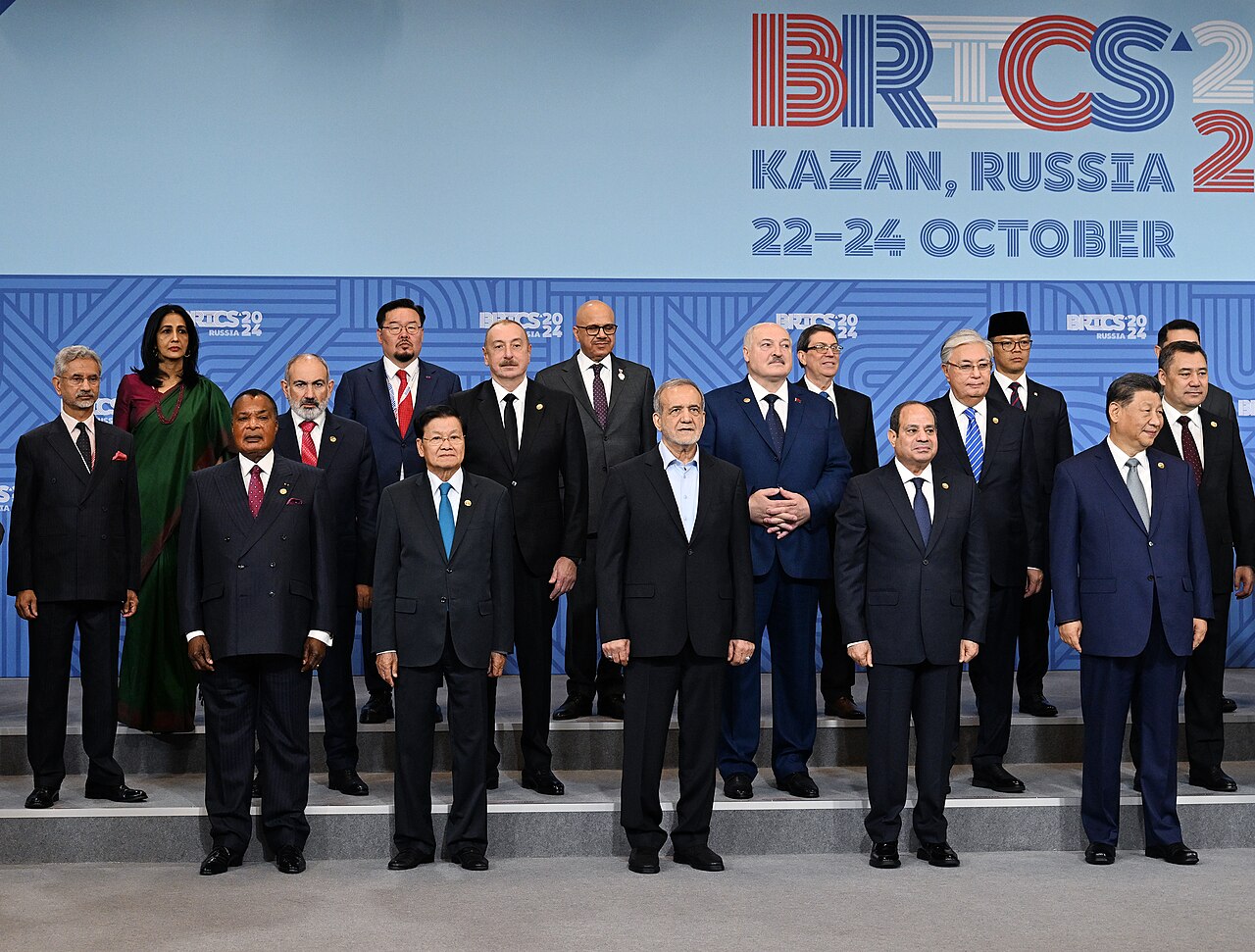
The BRICS+ (now including Saudi Arabia, the UAE, Iran, and Egypt) are at the heart of this transition. The group’s expansion and the use of local currencies are accelerating the shift in the global economic order.
Concrete tools such as the mBridge platform, China’s CIPS system, and digital currency tests show that de-dollarization is advancing. Saudi Arabia joined mBridge in 2024. Oil contracts between China and the Gulf are already denominated in yuan. This operational reality undermines the three pillars of the petrodollar: pricing, settlement, and recycling.
Predictions for the Future (2027-2030)
The petrodollar is likely to evolve gradually rather than disappear suddenly. The most probable scenario is a controlled transition toward a multipolar system where the dollar coexists with the yuan and other digital currencies.
Three main trends are emerging:
- The dollar will remain the world’s primary currency, but will gradually lose ground to the Chinese renminbi.
- The green energy transition will accelerate the decline, as global oil demand decreases.
- BRICS+ will continue developing alternative payment tools, further reinforcing de-dollarization.
Key Takeaways
The petrodollar will not disappear overnight, but it is evolving toward a multipolar system in which several currencies will coexist. This transition marks the end of a monopoly that lasted more than fifty years and the emergence of a more balanced, but also more complex and potentially more unstable economic order.
For the global economy, this means a gradual redistribution of monetary power and a reassessment of the mechanisms that have sustained American dominance since 1974.
Sources: Choyleva, D. (2025). Petrodollar to digital yuan. Asia Society Policy Institute; Hasan, M. A. (2026). The BRICS Challenge to the US dollar. Masaryk University; International Monetary Fund (2024). Dollar dominance in the international reserve system; Norrlöf, C. (2024). The decline and fall of the petrodollar? Project Syndicate; Saaida, M. (2024). BRICS Plus: De-dollarization and global power shifts. BRICS Journal of Economics; Siddiqui, K. (2026). United States strategy in an era of petrodollar decline. The World Financial Review.