This article was generated by artificial intelligence and reviewed by Le Pivot's editorial team. We believe in transparency.
Day 65: Iran Submits 14-Point Plan as Hormuz Standoff Deepens
By Le Pivot — Iran Monitor · May 2, 2026 · 10 min read
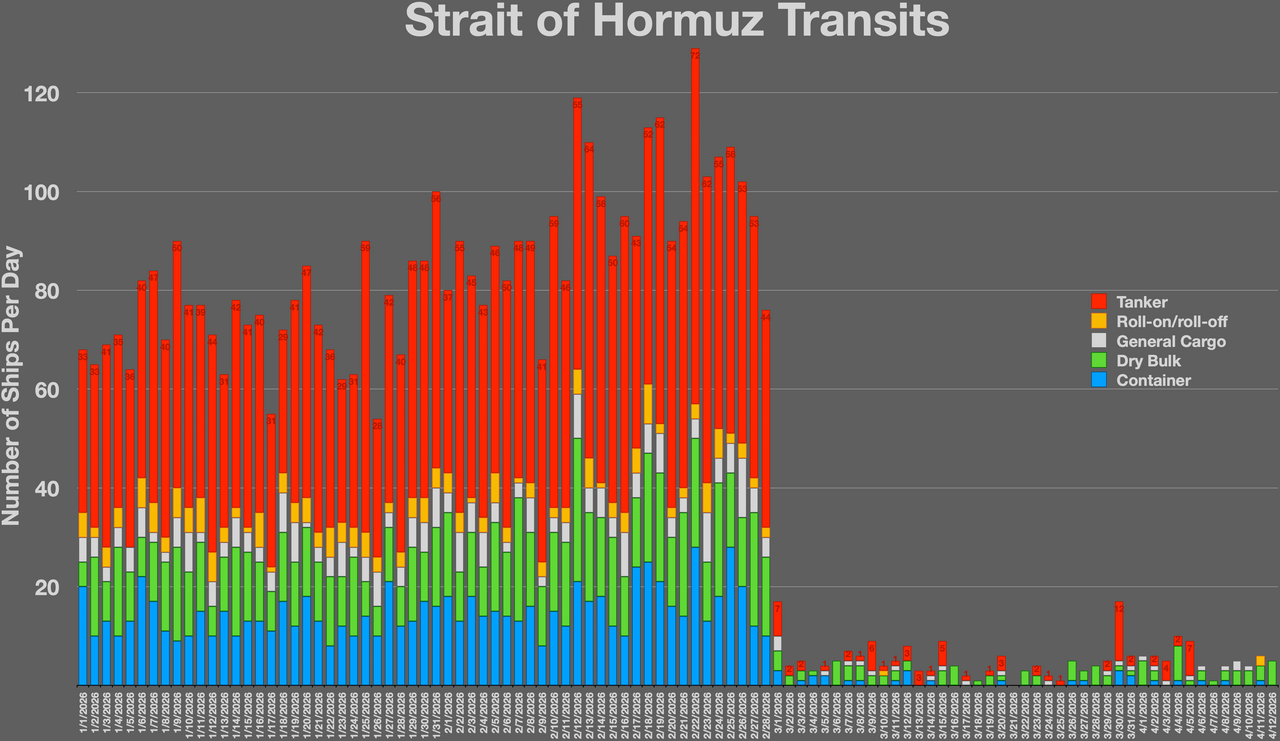
Day 65 of the conflict between the United States, Israel, and Iran was defined by a diplomatic gambit from Tehran: a 14-point peace proposal submitted to Washington. But trust is in short supply on both sides. Donald Trump said he would review the document while casting doubt on any deal. Iran’s Revolutionary Guards, meanwhile, declared they are on maximum alert. On the legislative front, Iran’s parliament is poised to adopt a law formalizing strict control over the Strait of Hormuz — a chokepoint through which 20% of the world’s oil passes. And inside the country, four protesters now face execution.
Iran’s 14-Point Proposal
On May 2, Iran formally transmitted its response to the US 15-point framework via Pakistan. Tehran’s proposal demands:
- Non-aggression guarantees from the United States and Israel
- Withdrawal of US forces from Iran’s periphery
- Lifting of the naval blockade and release of frozen Iranian assets
- Payment of war reparations
- Sanctions relief and an end to fighting in Lebanon
- A new governance mechanism for the Strait of Hormuz
- Resolution of all issues within 30 days, rather than the two-month ceasefire proposed by Washington
A critical sticking point: Tehran wants to defer nuclear negotiations to a later phase — something Trump has repeatedly called a red line.
Trump responded cautiously: “I’ll soon be reviewing the plan Iran has just sent to us.” He then added he did not think the deal was acceptable, leaving the door open for resumed strikes.
Hormuz: A Law in the Making
Alongside the diplomatic track, Iran’s parliament is advancing legislation to codify navigation rules in the Strait of Hormuz. Under the proposed law:
- Israeli vessels would be permanently and unconditionally banned
- Ships from hostile countries would be required to pay war reparations before obtaining a transit permit
- All other vessels would need to seek prior authorization from Iran
The Revolutionary Guards (IRGC) stated that “the equations and rules governing the new management of the Persian Gulf have been set and will be enforced.” The US blockade has already forced a rerouting of oil flows: Iraq has diverted 70 tanker trucks of crude oil through Syria to bypass the closure.
In response, Washington approved $8.6 billion in arms sales to regional allies and is building a coalition — the Maritime Freedom Construct — aimed at restoring freedom of navigation.
IRGC on Alert
The Revolutionary Guards issued an explicit warning: a resumption of hostilities is “likely” given what they described as US non-compliance with prior agreements. The elite force said it is “on standby for a return to war.”
This posture comes as Israel launched 50 airstrikes on southern Lebanon in 24 hours despite the April 16 ceasefire, killing at least 41 people and bringing the death toll since March 2 to 2,659.
Four Protesters Sentenced to Death in Shiraz
On the domestic front, the crackdown on participants in the January 2026 protests is intensifying. The Revolutionary Court in Shiraz sentenced four men from Marvdasht to death:
- Hamidreza Sabet-Raei
- Hamidreza Fathi
- Abdolreza Fathi
- Saeed Zarei Kordshouli
They are charged with “enmity against God” (moharebeh) for the alleged killing of a Basij member during the unrest. Human rights organizations report that confessions were extracted under torture: electric shocks, multiple fractures, and prolonged solitary confinement. The sentences are preliminary and subject to Supreme Court review, but concerns are heightened given that the judiciary chief has publicly called for swift executions of detained protesters.
Iran Human Rights (IHRNGO) has warned of a new wave of political executions, as dozens of activists, journalists, and union members remain imprisoned following the winter uprisings.
Humanitarian and Economic Situation
Iran’s economy is bearing the full weight of the war’s cumulative toll: US and Israeli strikes on thousands of targets, a naval blockade, recurring internet blackouts, and intensified sanctions. Prices are surging while jobs disappear. According to Human Rights Activists in Iran, more than 3,600 people have been killed since the conflict began.
Civilians are caught between a regime that leverages external pressure to justify internal repression, and foreign actors whose strikes have direct consequences for ordinary Iranians.
Key Takeaways
Iran’s 14-point proposal signals that Tehran is not prepared to capitulate but is seeking an exit on terms that preserve the regime. The deliberate deferral of nuclear talks is strategic: Tehran knows this is Trump’s top priority, and keeping the issue in reserve provides leverage. If passed, the Hormuz law would transform the strait into a codified pressure tool — a legislative escalation that would complicate any rapid de-escalation. Meanwhile, the death sentences handed to protesters demonstrate that the regime is managing the internal and external threats with equal brutality.
Sources
- Al Jazeera — Day 65: Trump Reviews New Iranian Plan
- NPR — Iran Submits 14-Point Response to US Proposal
- CNBC — Trump Says He Is Reviewing Iran’s New Proposal
- Middle East Eye — Iran’s 14-Point Plan: Washington Yet to Respond
- Al Jazeera — Trump Sceptical, IRGC on Standby
- Iran Human Rights — Death Sentences and Executions of Protesters
- Shabtab News — Four Detained Protesters Sentenced to Death
- House of Commons Library — 2026 Strait of Hormuz Crisis