This article was generated by artificial intelligence and reviewed by Le Pivot's editorial team. We believe in transparency.
Hormuz Held Hostage, OPEC Fractured: Day 60 of the Iran–US Conflict Finds No Way Out
By Le Pivot — Iran Monitor · April 27, 2026 · 10 min read
On day 60 of the armed conflict between the United States, Israel, and Iran, diplomacy is stalling on two simultaneous fronts: nuclear weapons and the Strait of Hormuz. Tehran presented a decoupling proposal — reopening the strait in exchange for freezing discussions on its nuclear program — but Washington signaled the offer was unacceptable. Meanwhile, the United Arab Emirates announced its withdrawal from OPEC effective May 1, fracturing the oil cartel at the worst possible moment. The UN is warning of an imminent global food emergency, and inside Iran, the regime is intensifying a wave of mass arrests against a backdrop of an internet blackout now entering its 53rd day.
Iran’s Proposal and Washington’s Rejection
Tehran transmitted a new two-stage proposal to the United States through Pakistani mediation: immediate reopening of the Strait of Hormuz in exchange for a halt to strikes, with nuclear discussions deferred to a later phase. Donald Trump’s national security team — led by Jared Kushner, Steve Witkoff, and JD Vance — reviewed the plan, but sources close to the White House indicated that Trump was “not inclined to accept” a formula that would leave Iran’s nuclear program intact.
Former U.S. Ambassador Gordon Gray highlighted a structural weakness in the American negotiating team: their “lack of deep familiarity with the Iranian nuclear file,” compensated only by their direct proximity to Trump. The result: a dialogue of the deaf between an Iran that refuses to negotiate “under duress” and a White House that insists the nuclear issue be addressed as a precondition for any agreement.
Qatar, at a Gulf leaders summit in Saudi Arabia, warned against using the Strait of Hormuz as a “pressure card” and expressed concern about the risk of a “frozen conflict.” Around fifty countries, led by Bahrain, demanded the “urgent and unimpeded reopening” of the waterway.
Araghchi in Saint Petersburg: Moscow in the Equation
Iranian Foreign Minister Abbas Araghchi met Russian President Vladimir Putin at the Boris Yeltsin Presidential Library in Saint Petersburg on April 27 — their first meeting since the conflict began in February 2026. Araghchi was on a regional diplomatic tour that included Pakistan and Oman, aimed at consolidating support ahead of a possible resumption of negotiations.
Putin offered unambiguous support: “We see how courageously and heroically the Iranian people are fighting for their independence, for their sovereignty.” He also mentioned having received a message the previous week from new Supreme Leader Mojtaba Khamenei — who replaced Ali Khamenei, killed in the early Israeli decapitation strikes in February — and asked Araghchi to convey his “gratitude and best wishes for his health and well-being.” After the meeting, Araghchi stated: “We thank our Russian friends for their support throughout this war and declare Iran’s determination to continue strategic relations and partnership with Russia under the new circumstances.”
Moscow’s growing involvement in the negotiations adds a multipolar dimension to the crisis, but complicates Washington’s position as it seeks a bilateral agreement without unwieldy intermediaries.
The UAE Slams the OPEC Door
The day was marked by a geo-economic earthquake: the United Arab Emirates officially announced its withdrawal from OPEC and OPEC+ effective May 1, 2026. The departure deals a heavy blow to the organization and its de facto leader Saudi Arabia at a moment when the war against Iran has already triggered a historic energy shock.
The stated reasons are multiple. Abu Dhabi, a strategic U.S. ally that has been the target of repeated Iranian attacks since February, has criticized fellow Arab member states for failing to do enough to protect it. The UAE has long pushed for higher production quotas, well beyond the limits set by the cartel. The wartime context offers them the opportunity to act decisively.
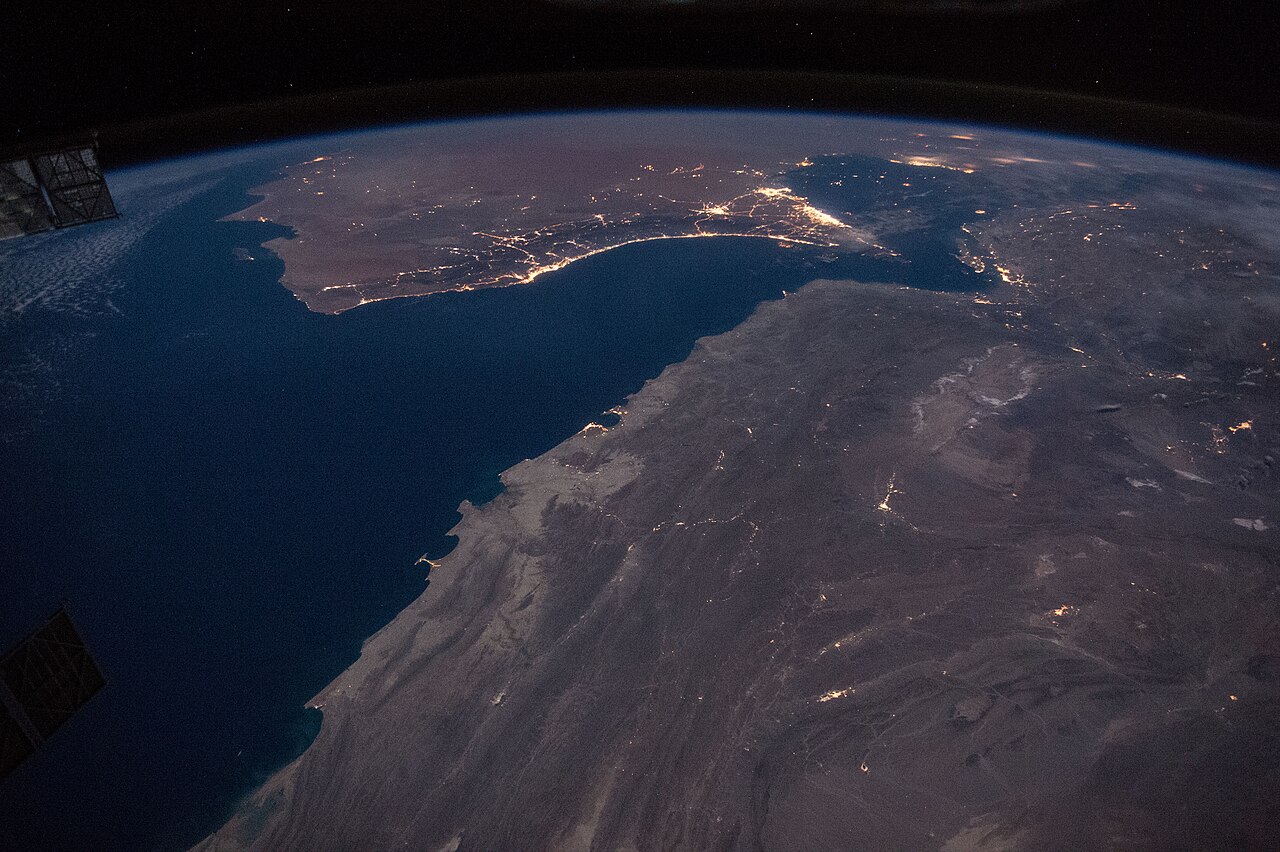
Markets reacted immediately: U.S. WTI crude surpassed $102 per barrel, and international Brent crude approached $113 — levels not seen since early April. Gulf producers are already struggling to ship exports through Hormuz, through which a fifth of the world’s crude oil and liquefied natural gas normally passes.
The UN Sounds the Alarm: Hormuz and Global Food Security
UN Secretary-General António Guterres issued an unprecedented warning: the impasse in the Strait of Hormuz risks triggering “the worst supply chain disruption since COVID-19 and the war in Ukraine.” More gravely, he raised the specter of an imminent “global food emergency” if the blockade continues.
The economic geography explains the severity of the alert: Hormuz is the chokepoint through which flow not only Gulf hydrocarbons, but also significant volumes of grain and food products destined for Asian and African markets. A prolonged blockade directly threatens low-income food-importing nations.
Domestic Repression: 53-Day Internet Blackout, New Wave of Arrests
Inside Iran, the human rights situation continues to deteriorate in parallel with the diplomatic tensions. By April 21, the internet blackout had reached 53 consecutive days — more than 1,248 hours — making Iran the country to have suffered the longest nationwide internet outage ever recorded. Iran’s Minister of Communications acknowledged the shutdown was costing the national economy $35.7 million per day, with indirect estimates placing the true figure at $70-80 million daily.
Authorities have begun restoring access for “favored groups” while most of the population remains disconnected. Police arrested vendors of VPN services and seized unauthorized Starlink equipment in Tehran.
Against this backdrop, security and judicial institutions launched a new wave of mass arrests across the country linked to the January 2026 protests. The Human Rights Activists News Agency (HRANA) counted 22,104 protesters arrested since the movement began. Three women have been sentenced to death for their alleged roles in those protests and are currently on death row.
In Bahrain, the government stripped 69 people of their citizenship for “supporting Iran,” a measure condemned by rights organizations as an abuse of power.
Lebanese Front: The Ceasefire Barely Holds
Despite a ceasefire agreement signed on April 17 between Israel and Lebanon, Israeli strikes continue in the Bekaa Valley region, targeting Hezbollah positions. At least 40 people have been killed since the ceasefire declaration. Israeli Prime Minister Benjamin Netanyahu claimed Hezbollah retains only approximately 10% of its original arsenals. The Shia movement has rejected any direct talks with Israel.
One Israeli soldier was killed in combat in southern Lebanon in the past 24 hours, a sign that this front remains volatile despite the formal agreements.
Key Takeaways
Sixty days after the outbreak of the conflict, the geography of the crisis has widened and hardened. Iran is attempting to isolate the Hormuz file from the nuclear issue in order to buy time and relieve economic pressure, but Washington refuses the decoupling. The UAE’s exit from OPEC reshuffles the global energy deck in favor of independent producers. Moscow is positioning itself as an indispensable broker, complicating the path to any agreement. And as diplomats negotiate, the Iranian regime is using the crisis as a pretext to intensify domestic repression — digital blackout, mass arrests, death sentences. Maximum pressure, invisible exit.
Sources
- Al Jazeera — Iran war: Day 60, diplomacy gathers pace
- CNN Live — UAE to quit OPEC as Iran war roils energy sector
- NBC News — UAE quits OPEC as Iran war raises gulf tensions
- Al Jazeera — UAE leaves OPEC and OPEC+
- Al Jazeera Live — Trump reviews peace plan; UN calls for Hormuz to reopen
- NPR — Iran’s foreign minister meets Putin in Russia
- Wikipedia — 2026 Iran war ceasefire
- Iran Focus — A New Wave of Mass Arrests in Iran