This article was generated by artificial intelligence and reviewed by Le Pivot's editorial team. We believe in transparency.
Hormuz Blockade: Trump Goes on the Offensive After Islamabad Talks Collapse
By Le Pivot — Iran Monitor · April 12, 2026 · 10 min read
Sunday, April 13, 2026. Five days after a fragile ceasefire was announced, the diplomatic window between the United States and Iran slams shut. Delegations left Islamabad without an agreement, and Donald Trump responded by ordering the US Navy to blockade the Strait of Hormuz starting Monday morning.
The Collapse of the Islamabad Talks
Negotiations took place in Pakistan over a 21-hour period, bringing together American and Iranian delegations as part of a mediation process initiated following the April 9 ceasefire. But the session ended without agreement, and Vice President JD Vance left Islamabad empty-handed.
According to contemporaneous reports, the two sides held fundamentally incompatible positions. Tehran described the American approach as “totalitarian” and demanded security guarantees that Washington refused to provide. Discussions were ostensibly focused on the modalities of a permanent end to hostilities, but both camps reportedly had very different understandings of what the ceasefire actually meant.
France 24 summarized the situation: “The US and Iran ended 21 hours of talks without reaching an agreement, before Vance departed Pakistan.”
Trump Orders the Strait of Hormuz Blockade
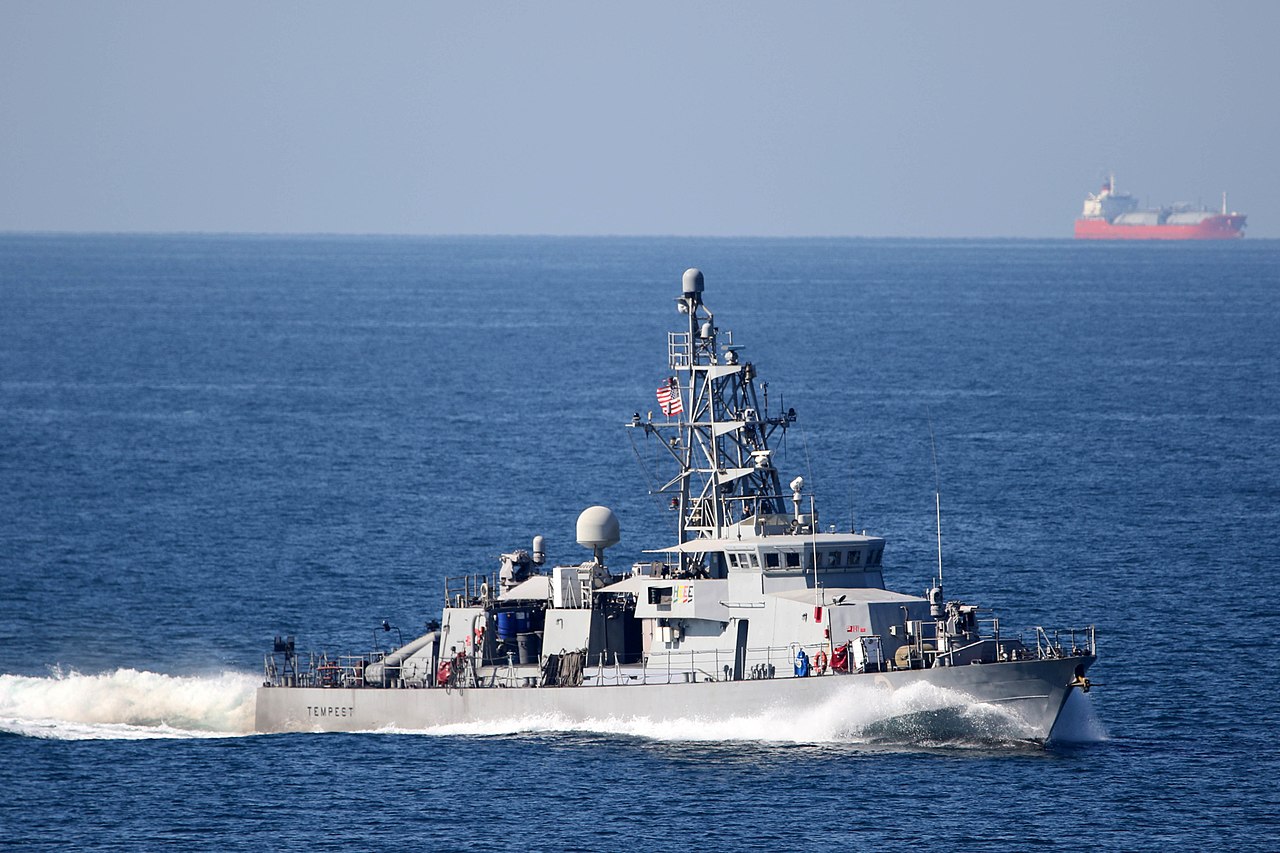
The American response was immediate and dramatic. In a social media post on Sunday, Trump announced that the US Navy would “immediately” blockade the Strait of Hormuz and intercept any vessel that had paid a transit toll to Iran.
CENTCOM specified that enforcement of the blockade would begin Monday morning. According to Reuters and the Jerusalem Post, “US military says it will start blockade of all ships going to and from Iran.”
The Strait of Hormuz is one of the most critical energy arteries on the planet: approximately 20% of the world’s oil supply passes through it. A systematic interception of vessels represents an escalation without precedent since the Gulf War.
Iran responded through the IRGC, which threatened to attack any military vessel approaching the strait.
Markets in Shock: Oil Above $100
The news triggered an immediate shockwave across markets. The price of crude oil surged above the symbolic $100 per barrel threshold, according to CNBC. The US dollar also jumped against other currencies as investors sought safe-haven assets amid maximum uncertainty.
Reuters reported that “the dollar jumped as failed US/Iran peace talks sparked a fresh safe-haven push.”
The stock market, which had shown some resilience since the ceasefire, now faces a new phase of turbulence.
Intelligence Experts Sound the Alarm: The Worst-Case Scenario
As diplomacy collapsed, Ken Pollack — former CIA analyst and former National Security Council director — issued a warning that few commentators dared to articulate publicly.
For Pollack, the most dangerous scenario is not a resumption of hostilities — it is the war ending with the Islamic Republic still in power.
“This war ending with this leadership in control of this regime — that’s about the worst outcome that I can possibly imagine,” he told the Eye for Iran podcast (Iran International).
His analysis rests on an unforgiving logic: a regime that survives military strikes can transform that survival into a narrative victory. It would emerge convinced it had weathered outside pressure, potentially more repressive domestically and more aggressive regionally.
Pollack noted that the initial rhetoric about regime change has nearly disappeared from American discourse. Trump himself now speaks positively about Iranian leaders — something Pollack calls “absolutely fantastical.”
Civil Society and Repression: Silence Behind the Ceasefire
While diplomacy dominated the headlines, conditions inside Iran deteriorated sharply. Since the ceasefire began, several political dissidents have been hanged. The IRGC and the regime’s security apparatus have retaken control of the streets.
Iran International documents growing anxiety among Iranians: the fear that the world will once again look away. After weeks in which Washington and other capitals openly discussed the fate of the Iranian people, the diplomatic dynamic has progressively pushed this dimension aside.
Pollack encapsulates this fear: “I worry that the outcome of the war may cause Iranians to simply decide that there is no opportunity to overthrow this regime.”
Fortune also reports that the Iranian economy is in an advanced state of deterioration, with authorities worried about meeting payroll. This economic fragility remains the regime’s principal structural vulnerability.
Key Takeaways
April 13 marks a turning point in the dynamics of the US-Iran conflict:
- The five-day ceasefire, already described as fragile, has effectively broken down on the diplomatic front.
- Trump chose economic and military escalation over negotiation, targeting the regime’s financial lifeline: oil revenues.
- The Hormuz blockade is a measure of enormous scope, affecting not only Iran but its Asian buyers (China, India) and global energy markets.
- Iran finds itself in a precarious position: yield to pressure or escalate further, risking a direct confrontation with the US Navy.
- Inside Iran, the window of potential change that the war had cracked open appears to be closing under a regime consolidating its repression.
The coming week will be decisive in determining whether the Hormuz blockade is a negotiating lever or the beginning of a new phase of war.
Sources
- Oil prices surge above $100 as U.S. Navy to blockade Iran’s ports after peace talks fail — CNBC
- US to begin enforcing Strait of Hormuz blockade from Monday morning, CENTCOM announces — Jerusalem Post
- Trump says US to blockade ships crossing Strait of Hormuz — Al Jazeera
- Trump orders blockade of Hormuz Strait — France 24
- Dollar jumps as failed US/Iran peace talks spark fresh safe-haven push — Reuters
- Worst outcome is Islamic Republic’s survival, ex-CIA official says — Iran International
- Iran’s crumbling economy is the regime’s greatest weakness as authorities worry about making payroll — Fortune
- How shaky is the Iran-US ceasefire? — Al Jazeera