This article was generated by artificial intelligence and reviewed by Le Pivot's editorial team. We believe in transparency.
Fragile Truce: Washington and Tehran Agree on a Two-Week Ceasefire
By Le Pivot — Iran Monitor · April 8, 2026 · 10 min read
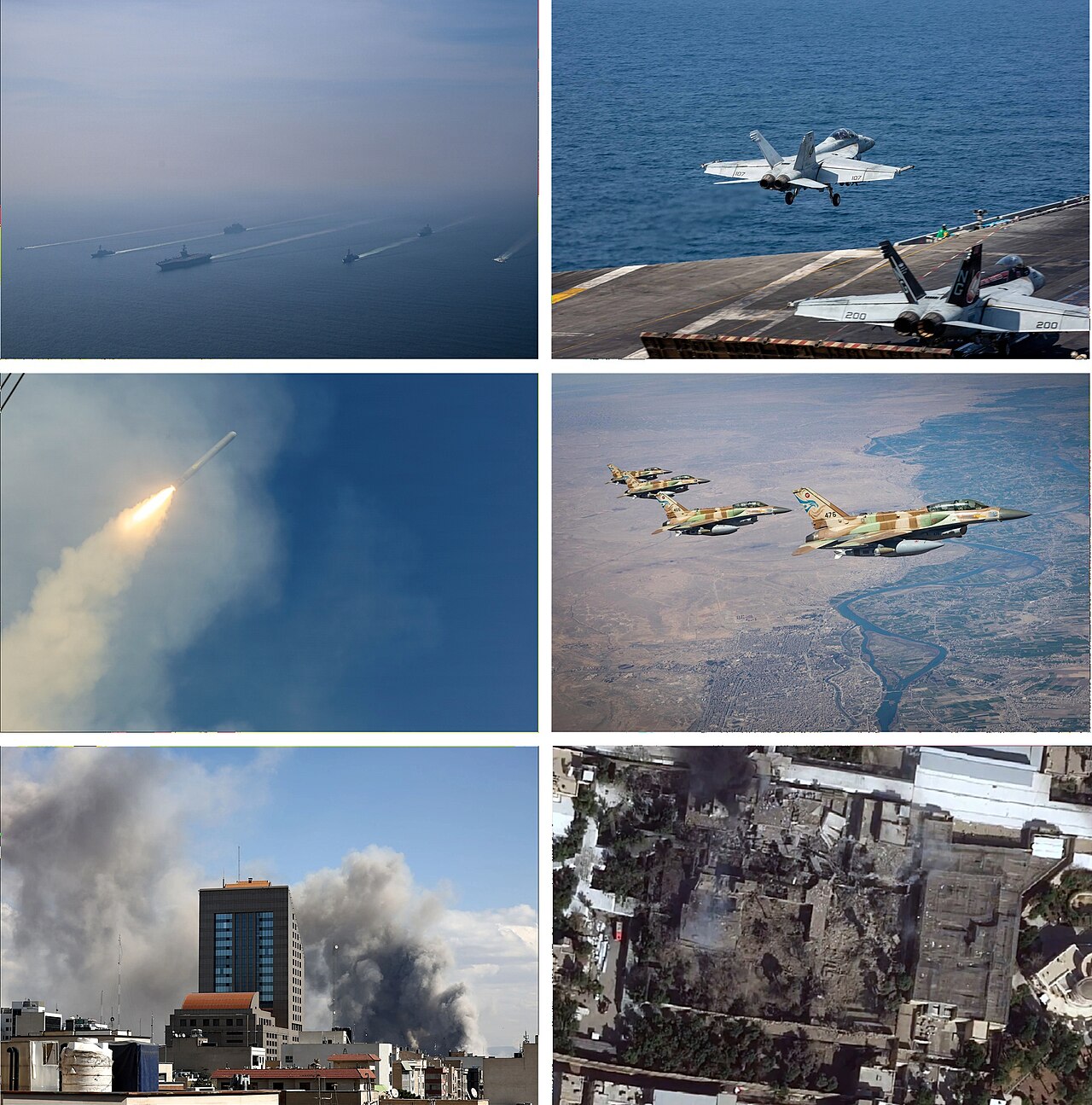
Forty days after the outbreak of hostilities, a provisional two-week ceasefire between the United States and Iran came into effect on April 8, 2026 — negotiated behind the scenes by Islamabad, with the quiet contribution of Turkish intelligence services. Donald Trump called the deal a “total and complete victory” for Washington; Tehran, for its part, announced it would approach peace negotiations “with caution.” The immediate context remains explosive: Iran is threatening to close the Strait of Hormuz, the new Supreme Leader Mojtaba Khamenei is reportedly in critical condition, and massive Israeli strikes in Lebanon are already straining the truce.
The Ceasefire: Anatomy of a Lightning Truce
On the evening of April 7, just hours before the expiration of America’s 8 PM ET ultimatum, Trump announced the deal on Truth Social. The day before, Iran had severed all direct contact with Washington and told Pakistan it would no longer participate in discussions. The reversal was abrupt: according to The Guardian, it was Trump himself who pushed for a conclusion, finding himself “trapped” in a war he thought could be wrapped up in a few days.
The essential terms, as reported by Reuters and NBC News:
- 14-day truce effective April 8, including a halt to strikes on both sides
- Direct negotiations planned this weekend in Islamabad
- The fate of Iran’s enriched uranium remains unresolved — the New York Times notes this is the thorniest point
- Israel and Lebanon are not covered by the agreement, according to Washington and Tel Aviv
Defense Secretary Pete Hegseth declared “decisive victory” while noting that U.S. forces would remain in the region. Iran’s Supreme National Security Council referred to a “conditional truce.”
Wave 99 of Operation True Promise 4 and the State of Forces
On April 7, the IRGC announced Wave 99 of Operation True Promise 4, using twin-launch platforms for the first time to fire Fateh and Kheibar-Shekan missiles at more than 30 sites in central and southern Israel, including areas near Dimona. Meanwhile, the United States and Israel struck Kharg Island for a second time, targeted eight bridge segments to disrupt IRGC logistics, and hit a petrochemical complex in Shiraz used in missile production.
According to Iran Monitor, Iran has fired 520 ballistic missiles at the UAE since the conflict began. Explosions were reported in Bahrain, Qatar, and the UAE. Iran also struck the headquarters of Thuraya — a satellite communications company — in Sharjah.
Khamenei Incapacitated: A Vacuum at the Top
The most destabilizing news from Tehran remains the critical condition of new Supreme Leader Mojtaba Khamenei, reported unconscious in Qom according to multiple sources cited by Iran Monitor. Mojtaba Khamenei, son of Ali Khamenei, had been appointed head of the Islamic Republic in rushed circumstances at the start of the conflict. His potential incapacitation creates a command vacuum at the exact moment when war and peace decisions must be made.
Hormuz and Bab al-Mandab: Threats to Maritime Routes
On April 9, shipping sources reported that Iran is threatening vessels attempting to transit the Strait of Hormuz without permission (Jerusalem Post). The day before, Iranian officials had explicitly warned they would close Bab al-Mandab via allied forces (Houthis) and strike Gulf regional power plants — in Saudi Arabia notably — if the US targeted Iranian energy infrastructure.
These threats survive the ceasefire announcement: Iran clearly views control of maritime routes as its primary leverage in upcoming negotiations.
Civil Society: Day 40 Without Internet
Inside the country, Iran’s population has been living under a complete internet blackout for 40 days, according to IranWire. Anger is growing: civilians are cut off not only from social media but also from online banking and international communications. The postponement of American strikes on Iranian energy infrastructure — which could have caused massive power outages — is seen as relative relief, but the population remains in shock after weeks of bombardment.
Pakistan’s Role — and Israel’s Reaction
Islamabad emerges as the diplomatic winner of the crisis. According to the New York Times, Pakistan exploited its unique position: no American military bases on its soil, historical ties with Iran, and cultivated relations with the Trump administration. Prime Minister Sharif had formally requested a two-week extension of the ultimatum — ultimately obtaining the deal. Ankara also reportedly played a quiet facilitating role, according to Al-Monitor.
On the Israeli side, the reaction is bitter. Middle East Eye headlines “Capitulation” and reports that Netanyahu — who according to Haaretz had convinced Trump to launch the war with an argument about regime change in Tehran — finds himself isolated: Tel Aviv is not party to the ceasefire and continues strikes in Lebanon, which poses a serious risk to the US-Iran truce.
Key Takeaways
The April 8 ceasefire is a pause, not a peace. Its fragilities are numerous: the nuclear question remains entirely open, Israel is not bound by the agreement, the Iranian command structure is potentially decapitated, and threats to the straits have not been lifted. The World Bank is already warning that Middle East economic growth is expected to slow to 1.8% and that the “scars” of the conflict will be lasting. The price of oil, which had approached $150 per barrel during the conflict, plummeted at the truce announcement — a signal that markets are betting on the Islamabad negotiations holding this weekend.
The next two weeks will be decisive.
Sources
- Iran Monitor — Main Dashboard — April 9, 2026
- Reuters — What the US, Iran, Israel and Pakistan have said about the ceasefire
- The Guardian — How Pakistan secured ‘biggest diplomatic win in years’
- The New York Times — How Pakistan Became Key Mediator Between U.S. and Iran
- Al Jazeera — Iran war live: Trump threatens action if Tehran fails to comply
- NBC News — US, Iran agree to ceasefire: what’s actually in the deal
- IranWire — 40th Day, Still No Internet - Public Anger Grows in Iran
- CFR — The U.S. and Iran Struck a Two-Week Truce. Now What?