This article was generated by artificial intelligence and reviewed by Le Pivot's editorial team. We believe in transparency.
Day 39: Strikes on Kharg Island as Trump's Ultimatum Reaches Zero Hour
By Le Pivot — Iran Monitor · April 6, 2026 · 10 min read
On day 39 of the conflict, the war in Iran has reached a breaking point. Donald Trump’s ultimatum expires tonight at 8 p.m. ET: if Iran does not reopen the Strait of Hormuz, the United States has vowed to strike every power plant and bridge in the country. On the ground, strikes are intensifying — Kharg Island, Iran’s primary oil export terminal, was bombed overnight, while the Islamic Revolutionary Guard Corps (IRGC) has threatened to cut off Western access to oil and gas “for years.”
Kharg Island Under Fire
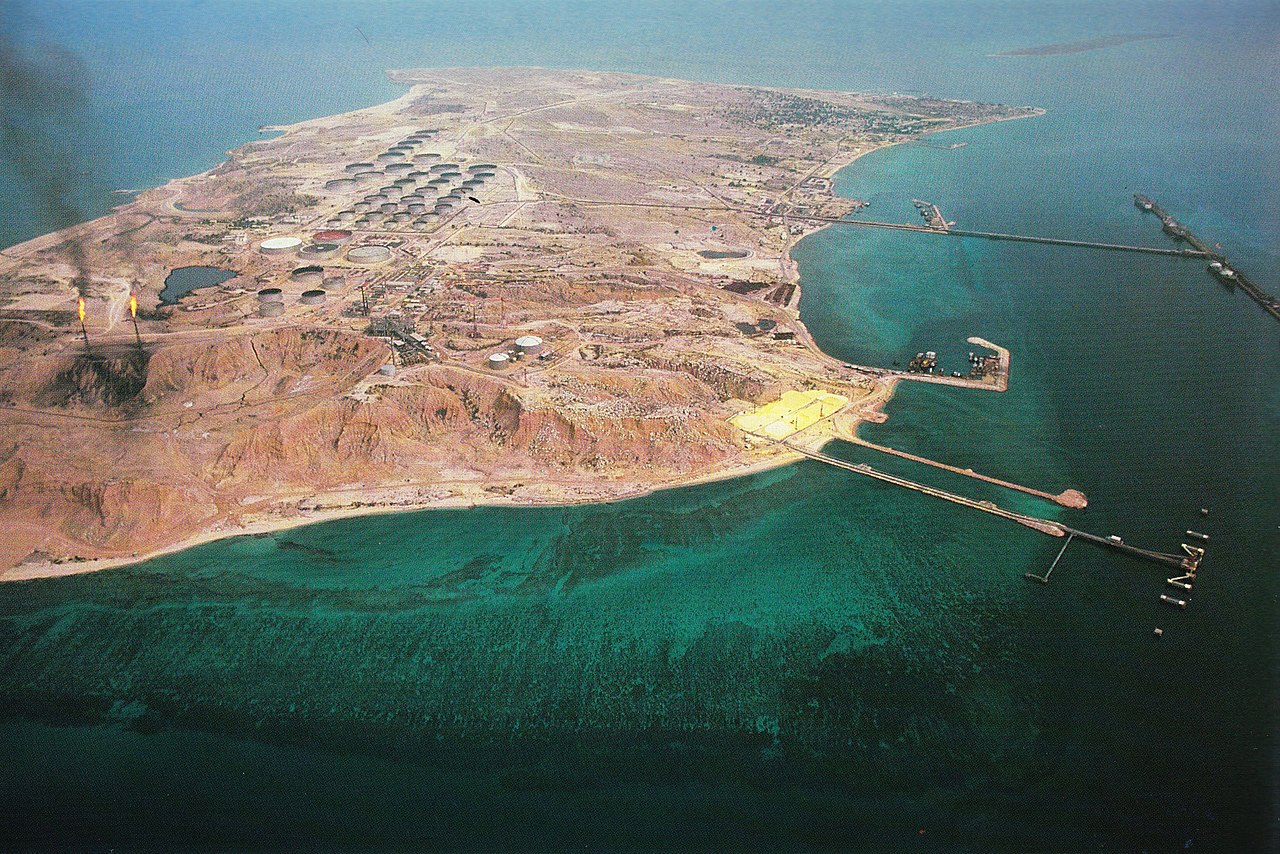
U.S. forces conducted overnight strikes on Kharg Island, through which roughly 90% of Iran’s oil exports flow. The Pentagon claims it targeted military bunkers, storage facilities, and air defense systems — not civilian oil infrastructure. But multiple explosions were reported across the island, and satellite imagery shows columns of smoke rising from the complex. Simultaneously, Israel struck Iran’s largest petrochemical complex serving the South Pars gas field, the world’s largest natural gas reserve. Iran has characterized the attack as a “major escalation.”
The Ultimatum Expires: “Power Plant Day”
Donald Trump warned that “a whole civilization will die tonight” if Tehran refuses to cooperate. Every Iranian power plant will be “burning, exploding, and never to be used again,” he declared. Former Defense Secretary Leon Panetta cautioned that there would be “no winners” if Trump targets civilian infrastructure. The international community is watching anxiously as the deadline approaches, with growing fears of war crimes if strikes massively target civilian installations.
Bridges and Railways Destroyed Across Iran
U.S.-Israeli forces have intensified strikes on Iranian transport infrastructure. A railway bridge in Kashan was hit, killing two people and injuring three. The Tabriz-Zanjan freeway, Karaj rail network, and a bridge in Qom were also struck. The Israeli military issued a warning urging Iranian citizens not to use trains or approach railways — a clear signal that rail infrastructure is now a priority target.
Rising Civilian Toll
At least 18 people were killed in Alborz Province, including two children, according to Iranian officials. Since the start of the conflict, the NGO HRANA reports at least 3,597 deaths, including 1,665 civilians among whom 248 were children. In Tehran, the Rafi-Nia Synagogue, a religious center for the capital’s Jewish community, was “completely destroyed” in overnight strikes — drawing international condemnation. The International Atomic Energy Agency (IAEA) also warned that strikes near the Bushehr nuclear plant pose a “very real danger to nuclear safety.”
IRGC Threatens Global Oil Cutoff
Facing the American ultimatum, the IRGC has escalated its rhetoric. “If the terrorist American military crosses the red lines, our response will extend beyond the region,” the paramilitary corps declared, threatening to “deprive the United States and its allies of the region’s oil and gas for years.” The global energy crisis is already worsening: NBC News describes a situation worse than the oil shocks of 1973, 1979, and 2002 combined. In France, nearly one in five gas stations has run dry. China has seen gasoline and diesel prices rise by approximately $61 and $58 per ton respectively.
Regional Attacks: Kuwait, Bahrain, and Saudi Arabia Hit
The conflict continues to spill across the Persian Gulf. In Kuwait, 15 American service members were wounded in an attack on Ali al-Salem Air Base. Saudi Arabia intercepted more than 18 drones and 7 ballistic missiles over its Eastern Province. The King Fahd Causeway between Saudi Arabia and Bahrain was temporarily closed over fears of Iranian attacks. In Lebanon, Israeli strikes killed at least 8 people, and over 1.1 million displaced persons have been registered.
Diplomacy: Egypt Attempts Mediation
Egypt has launched last-minute diplomatic efforts. Egypt’s Foreign Minister met with Trump’s envoy Steve Witkoff and counterparts from Iraq and Pakistan to seek de-escalation. Meanwhile, former Iranian Foreign Minister Javad Zarif has proposed a “peace roadmap,” while Gulf states have denounced their exclusion from negotiations. The diplomatic window is narrowing by the hour as the ultimatum approaches.
Key Takeaways
Tonight’s deadline may mark the most dangerous turning point in the conflict. If Trump follows through on his threat to strike Iranian power plants and bridges, the humanitarian consequences could be catastrophic for Iran’s 88 million citizens. The destruction of Kharg Island and the South Pars complex has already sent shockwaves through global energy markets. The IRGC, cornered, threatens to expand the conflict far beyond the Middle East. With more than 3,500 confirmed deaths and an unprecedented oil crisis, day 39 of the war may determine whether the world tips into uncontrollable escalation or toward a fragile beginning of negotiations.
Sources
- Iran war: What is happening on day 39 of US-Israeli attacks? — Al Jazeera
- Live updates: Iran war; Trump warns ‘entire country’ could be taken out — CNN
- Live updates: U.S. strikes Iran’s Kharg Island; Tehran defiant ahead of Trump’s Hormuz deadline — NBC News
- Iran war live: IRGC says will respond beyond region amid Trump deadline — Al Jazeera
- Guerre au Moyen-Orient : l’Iran menace d’actions qui priveront les États-Unis de pétrole — Franceinfo
- Donald Trump dit que l’Iran « tout entier » pourrait être « détruit » — RTS
- Israel threatens Iran’s trains, railways before Trump’s deadline expires — Al Jazeera