This article was generated by artificial intelligence and reviewed by Le Pivot's editorial team. We believe in transparency.
Bridge Destroyed in Karaj, Desalination Plant Hit in Kuwait — Iran Vows Massive Retaliation
By Le Pivot — Iran Monitor · April 2, 2026 · 10 min read
Day 35 — Symmetrical Escalation of Strikes on Civilian Infrastructure
Day 35 of the Iran-US conflict is defined by a symmetrical escalation of attacks on civilian infrastructure: the United States destroyed Iran’s largest bridge in Karaj, while Iran struck a water desalination plant and an oil refinery in Kuwait. The death toll on the Iranian side now exceeds 2,000, and Chinese diplomacy is attempting to fill the void left by the absence of direct negotiations.
US Strike on Karaj Bridge: Iran Vows Retaliation
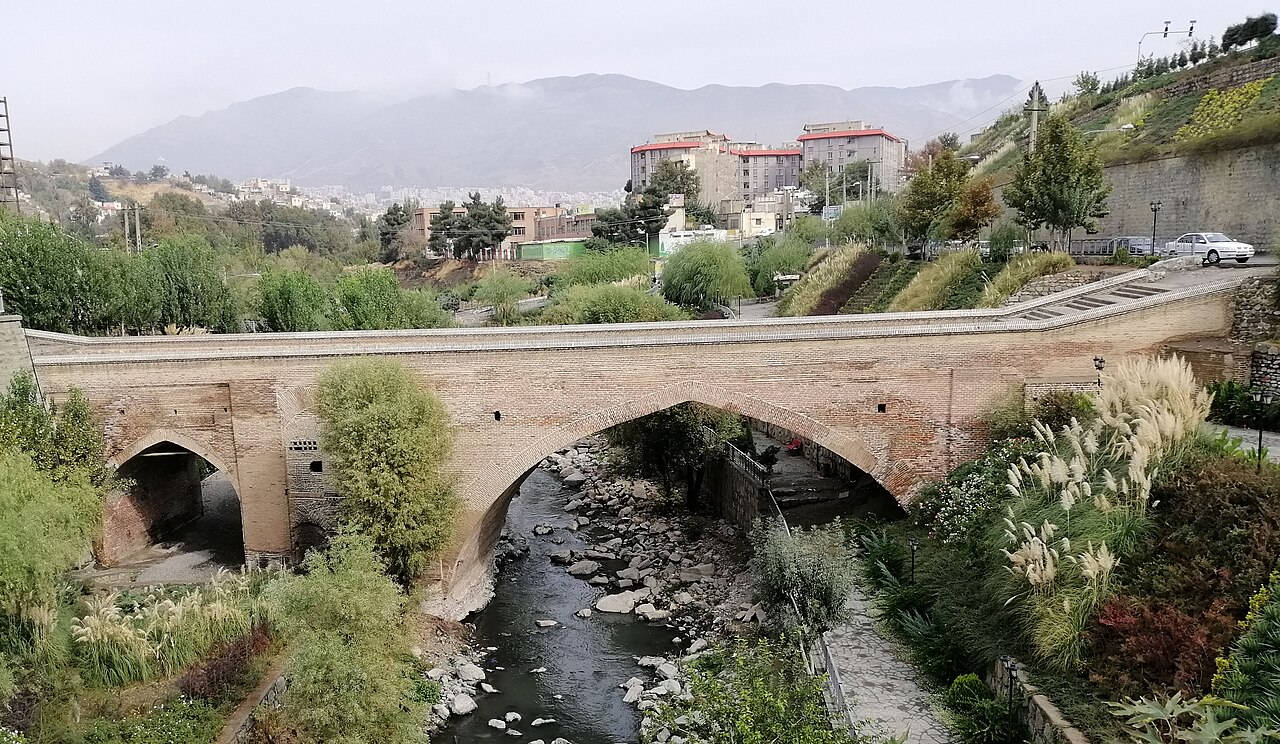
US forces destroyed the largest bridge in the city of Karaj, located about 30 kilometres west of Tehran. This critical infrastructure connected residential neighbourhoods and served as a major logistics artery for the Iranian capital. Iran’s military immediately pledged to “destroy” American military assets in the region if Washington continues to escalate strikes.
President Trump responded by declaring that the US “hasn’t even started” destroying what remains of Iranian infrastructure, a threat suggesting further strikes on civilian targets. This rhetoric has alarmed international humanitarian law observers, who note that the deliberate targeting of civilian infrastructure constitutes a violation of the Geneva Conventions.
Since the conflict began on February 28, at least 2,076 people have been killed and 26,500 injured by US-Israeli strikes across Iran.
Iran Strikes Kuwait: Desalination Plant and Refinery Hit
In a significant expansion of the theatre of operations, Iran struck a water desalination plant and an oil refinery in Kuwait. Tehran denied targeting the desalination plant, a claim that has failed to convince the international community as Iranian missile fire was confirmed in the area.
The attack on Kuwaiti civilian infrastructure represents a turning point in the conflict. Kuwait, which relies heavily on desalination for its drinking water supply, now faces a critical vulnerability. This extension of hostilities beyond the Iran-US theatre reinforces fears of a generalized regional conflagration in the Persian Gulf.
Trump Orders Israel to Continue Strikes
The American president declared that Israel will “do what I tell them” and that Israeli military operations against Iran “will stop when I stop.” This explicit assertion of control over Israeli operations is unprecedented and raises questions about the Jewish state’s strategic autonomy in this conflict.
Meanwhile, Israel continued to sustain Iranian missile fire, with damage reported to homes and vehicles. However, the US-Israeli coordination appears to be fracturing at the top: US Army Chief of Staff General Randy George left his post after reportedly being pushed out by Defence Secretary Pete Hegseth.
China as Mediator: Wang Yi’s Diplomatic Marathon
Faced with the military and diplomatic deadlock, China launched a major diplomatic offensive. Foreign Minister Wang Yi conducted four consecutive rounds of phone calls in a single day with EU foreign policy chief Kaja Kallas, as well as his German, Saudi, and Bahraini counterparts.
Beijing is positioning itself as a “responsible peacemaker,” calling for an immediate ceasefire and the safe reopening of the Strait of Hormuz. This initiative comes as former Iranian Foreign Minister Javad Zarif called on Iran to “declare victory and end the war,” outlining terms for a settlement acceptable to Tehran — a sign that influential voices within the Iranian establishment are seeking an exit.
Domestic Repression: Political Prisoner Executions
The Iranian regime continues its repressive policies despite the conflict. Two political prisoners, Akbar Daneshvarkar and Mohammad Taghavi, were executed Monday morning. Authorities accused them of belonging to the People’s Mojahedin Organization of Iran (PMOI) and participating in “armed operations” in Tehran.
With 657 executions in the first three months of 2026, Iran is on track to surpass the previous year’s record. The execution of Amirhossein Hatami, an 18-year-old, on April 2 in Tehran particularly shocked the international community.
Key Takeaways
The symmetrical escalation of strikes on civilian infrastructure — a bridge in Karaj, a desalination plant in Kuwait — marks a dangerous turning point in the conflict. The war is regionalizing with Kuwait’s direct involvement as collateral damage. China is attempting to fill the diplomatic void, while influential Iranian voices, including Javad Zarif, are beginning to publicly discuss an exit from the crisis.
Sources:
- Iran war live: Water plant hit in Kuwait; Tehran attacks the Gulf — Al Jazeera
- Iran vows retaliation after deadly US strike on bridge in Karaj — Al Jazeera
- Live updates: Iran war; Trump says US ‘hasn’t even started’ — CNN
- Iran News in Brief — April 3, 2026 — NCRI
- Trump: Israel will ‘do what I tell them’ — Times of Israel
- Hezbollah terrorists say they are being sent to die for Iran — Jerusalem Post
- Trump grants Iran another extension on Strait of Hormuz deadline — NPR