This article was generated by artificial intelligence and reviewed by Le Pivot's editorial team. We believe in transparency.
Day 32: Trump Threatens to Annihilate Iran's Energy Infrastructure
By Le Pivot — Iran Monitor · March 30, 2026 · 10 min read
On the thirty-second day of the conflict between the United States, Israel, and Iran, the war has entered a new phase of economic and diplomatic tension. Donald Trump issued an explicit ultimatum to Tehran, threatening to destroy all of Iran’s energy infrastructure if the Strait of Hormuz is not reopened by April 6. Oil has breached the symbolic $100-per-barrel mark, sending shockwaves through global markets.
Trump’s Energy Ultimatum
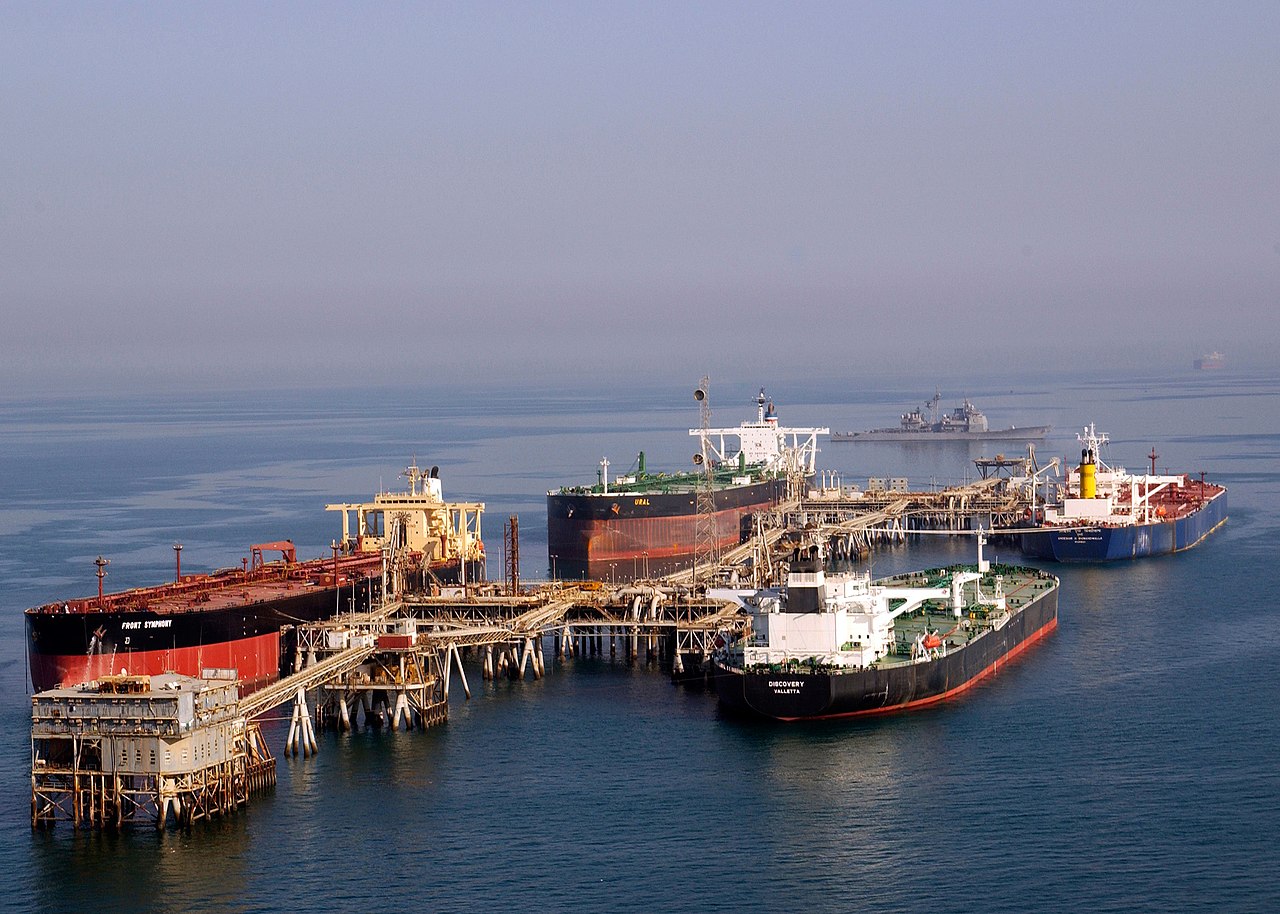
The US president threatened to “completely obliterate” Iran’s power plants, oil wells, Kharg Island — Iran’s main oil export terminal — and “possibly all desalination plants.” This ultimatum sets April 6 as the deadline for reopening the Strait of Hormuz, through which approximately 20% of the world’s oil transits.
Kharg Island, which handles nearly 90% of Iran’s petroleum exports, represents a strategic target whose destruction would cripple the country’s economy for years. The threat against desalination plants marks a further escalation that would directly affect the civilian population.
Oil Above $100: A Global Economic Shock
West Texas Intermediate crude breached $100 per barrel for the first time since 2022, while Brent briefly spiked to $115 before settling around $108. The average price of gasoline at US pumps surpassed $4 per gallon, a level not seen since Russia’s invasion of Ukraine.
The ripple effects are already tangible: Norway has temporarily cut fuel taxes, Bangladesh has ordered energy-saving measures, and G7 ministers pledged to take “all necessary measures” to stabilize energy markets. Airlines like JetBlue have begun raising baggage fees to offset rising jet fuel costs.
The Strait of Hormuz: Selective Blockade and Maritime Tolls
Iran’s parliament approved the imposition of tolls on vessels transiting the Strait of Hormuz, in what amounts to a selective blockade. Iran is allowing some ships through — notably Chinese cargo vessels — while imposing fees of up to $2 million per transit.
Pakistan announced it had negotiated passage for 20 Pakistani-flagged vessels, at a rate of two per day. This case-by-case management of maritime traffic has transformed the strait into a tool of diplomatic leverage, favouring Tehran’s allies while strangling Gulf oil-dependent economies.
Continued Strikes and Iranian Military Losses
US and Israeli airstrikes continue across Iran, with powerful explosions reported in Tehran and Isfahan. Israel struck Imam Hossein University in Tehran, claiming it served as an advanced weapons research centre for the Islamic Revolutionary Guard Corps.
Notably, the IRGC confirmed the death of Admiral Alireza Tangsiri, commander of the IRGC Navy, in an Israeli strike. Iran has meanwhile launched its 87th wave of regional attacks in a month, while Yemen’s Houthis fired their first missiles directly at Israel, signalling a deepening of their involvement in the conflict.
Regional Spillover Intensifies
The conflict continues to spill far beyond Iran’s borders. Saudi Arabia intercepted at least eight ballistic missiles targeting Riyadh and the Eastern Province. A Kuwaiti oil tanker was directly attacked at Dubai’s port. NATO intercepted a fourth Iranian missile fired toward Turkey since the war began. Three UN peacekeepers were killed in Lebanon.
Egyptian President Abdel Fattah el-Sisi made a direct appeal to Trump: “Help us stop the war — you are capable of it.” Diplomacy remains deadlocked nonetheless: Secretary of State Marco Rubio claims US war objectives will be achieved in “weeks, not months,” while Tehran describes American proposals as “unreasonable and excessive.”
Key Takeaways
Trump’s ultimatum on energy infrastructure represents a major rhetorical escalation that could translate into military action as early as next week. The breach of the $100-per-barrel oil threshold is already impacting consumers worldwide. Iran’s selective blockade of the Strait of Hormuz has turned this waterway into a geopolitical weapon. Despite open communication channels between Washington and Tehran, no diplomatic breakthrough appears on the horizon.
Sources
- What is happening on Day 32 of US-Israel attacks — Al Jazeera
- Trump renews threat to Iran’s power plants as war sends oil prices soaring — CBS News
- Day 31 – Trump threatens to blow up Iran’s energy sources — CNN
- What we know on Day 31 of the US and Israel’s war with Iran — CNN
- Pentagon readies for weeks of US ground operations in Iran — Al Jazeera
- US-Iran mediation: What are each side’s demands? — Al Jazeera
- Iran News in Brief – March 31, 2026 — NCRI
- Trump would be willing to stop the campaign even without full Strait reopening — RTS