This article was generated by artificial intelligence and reviewed by Le Pivot's editorial team. We believe in transparency.
Day 27: Trump Delays Energy Strikes on Iran, Rubio Faces Cold Reception at G7
By Le Pivot — Iran Monitor · March 26, 2026 · 10 min read
Twenty-seven days into the US-Israeli military operations against Iran, March 27 is defined by a striking contradiction: a diplomatic opening from Washington, which has pushed back strikes on Iranian oil infrastructure to April 6, alongside continued military escalation on the ground. Meanwhile, financial markets posted their worst session since the conflict began, and Secretary of State Marco Rubio faced reluctant European allies at a tense G7 meeting in France.
Trump Grants Iran a Ten-Day Reprieve on Energy Strikes
President Donald Trump announced a ten-day postponement — until April 6 at 8 PM Eastern Time — of planned strikes against Iran’s energy infrastructure. According to Trump, the decision came “at the Iranian Government’s request” and is part of negotiations that are going “very well, despite erroneous statements to the contrary by the Fake News Media.” Special envoy Steve Witkoff revealed at a Cabinet meeting that a 15-point peace proposal had been presented to Tehran (CNN, CBS News).
The diplomatic reality is more complex. Iran publicly rejected the American plan through Foreign Minister Abbas Araghchi, who reaffirmed Tehran’s posture of “resistance.” However, according to the Tasnim news agency, Iran responded through unnamed intermediaries and is now awaiting Washington’s reply. Pakistan confirmed it is relaying messages between the two sides, alongside Turkey and Egypt (Al Jazeera, NPR).
Rubio at G7: European Allies Push Back
Secretary of State Marco Rubio traveled to France for a G7 Foreign Ministers meeting, hoping to rally Western allies behind the war effort. The reception was cold. Germany’s defense minister criticized Washington’s lack of “a clear exit plan.” Several European capitals reproached the United States for launching operations without consulting them and expressed no interest in a prolonged engagement (NPR).
Trump responded by criticizing NATO members for their lack of support, warning he would “never forget” their absence, while asserting that American military capacity was sufficient on its own. This transatlantic rift complicates prospects for a swift resolution to the conflict.
Strikes Continue: Qom, Tehran, and Urmia Under Fire
Despite the reprieve granted to the energy sector, military operations continue unabated. The Israeli military announced it had struck what it described as Iran’s “most central” naval arms production site, along with ballistic missile factories and air defense systems (Times of Israel).
On Iranian soil, the humanitarian consequences are worsening. In Qom, six people were killed in strikes that hit three residential houses. In Urmia, four residential buildings were “completely destroyed,” according to the local crisis management director. In Tehran, explosions were reported in the city center following air defense system activations. Iranian Red Crescent teams continue searching through rubble for survivors (Al Jazeera).
The official death toll now stands at least 1,937 — including 240 women and 212 children — with nearly 25,000 wounded, according to Iran’s Deputy Health Minister.
Regional Escalation: Iranian Missiles Hit the Gulf, Lebanon Invasion Deepens
Iran continues launching missiles and drones at Kuwait, the United Arab Emirates, Saudi Arabia, and Jordan in an asymmetric war of attrition aimed at exhausting coalition defenses. Meanwhile, Israel has expanded ground operations in southern Lebanon, issuing evacuation orders for all residents south of the Zahrani River — approximately 50 kilometers from the border — further aggravating the humanitarian crisis. Lebanon’s Health Ministry reports over 1,100 casualties since March 2 (Al Jazeera).
Markets in Freefall
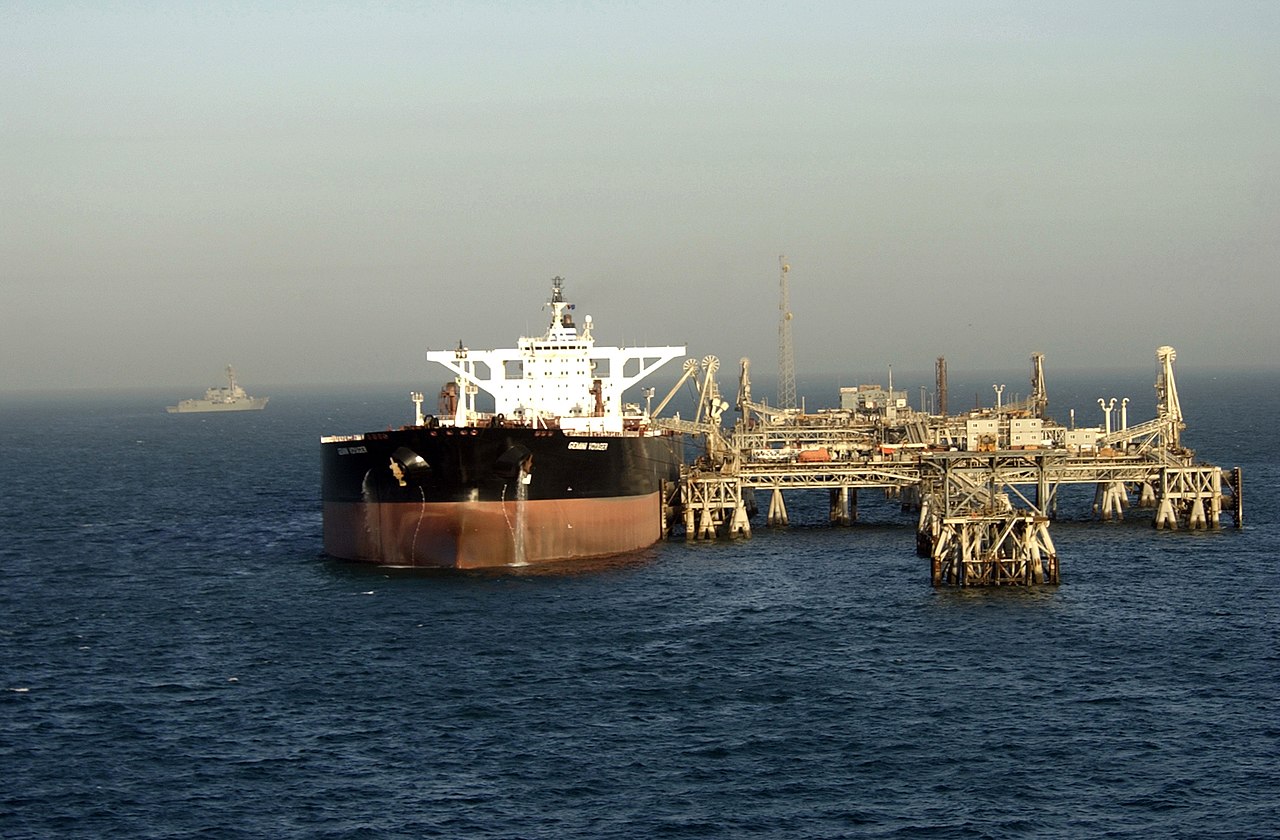
Wall Street recorded its worst session since the conflict began, dragged down by surging oil prices and uncertainty surrounding the de facto blockade of the Strait of Hormuz. Finland’s president warned the conflict could trigger a global recession “worse than the COVID-19 pandemic.” The closure of the strait, through which approximately 20% of the world’s oil transits, continues to disrupt global energy supply chains (Bloomberg, NPR).
Key Takeaways
Trump’s ten-day reprieve on Iranian energy infrastructure opens a narrow diplomatic window, but the signals are contradictory: Tehran officially rejects the American plan while communicating through back channels. On the ground, destruction continues uninterrupted, with a civilian toll that keeps rising. Washington’s diplomatic isolation at the G7 and the market selloff are reminders that the cost of this conflict extends far beyond the Middle Eastern theater. April 6 now looms as the next critical deadline.