This article was generated by artificial intelligence and reviewed by Le Pivot's editorial team. We believe in transparency.
Day 21: Nowruz under fire, Trump hints at winding down
By Le Pivot — Iran Monitor · March 19, 2026 · 11 min read
Day twenty-one of the war. On Nowruz — the Persian New Year, normally the most joyous celebration on the Iranian calendar — strikes continue on Tehran. Donald Trump sends contradictory signals, speaking of “winding down” military operations while deploying more Marines to the Middle East. Netanyahu declares that Iran can no longer produce ballistic missiles or enrich uranium.
Nowruz under fire
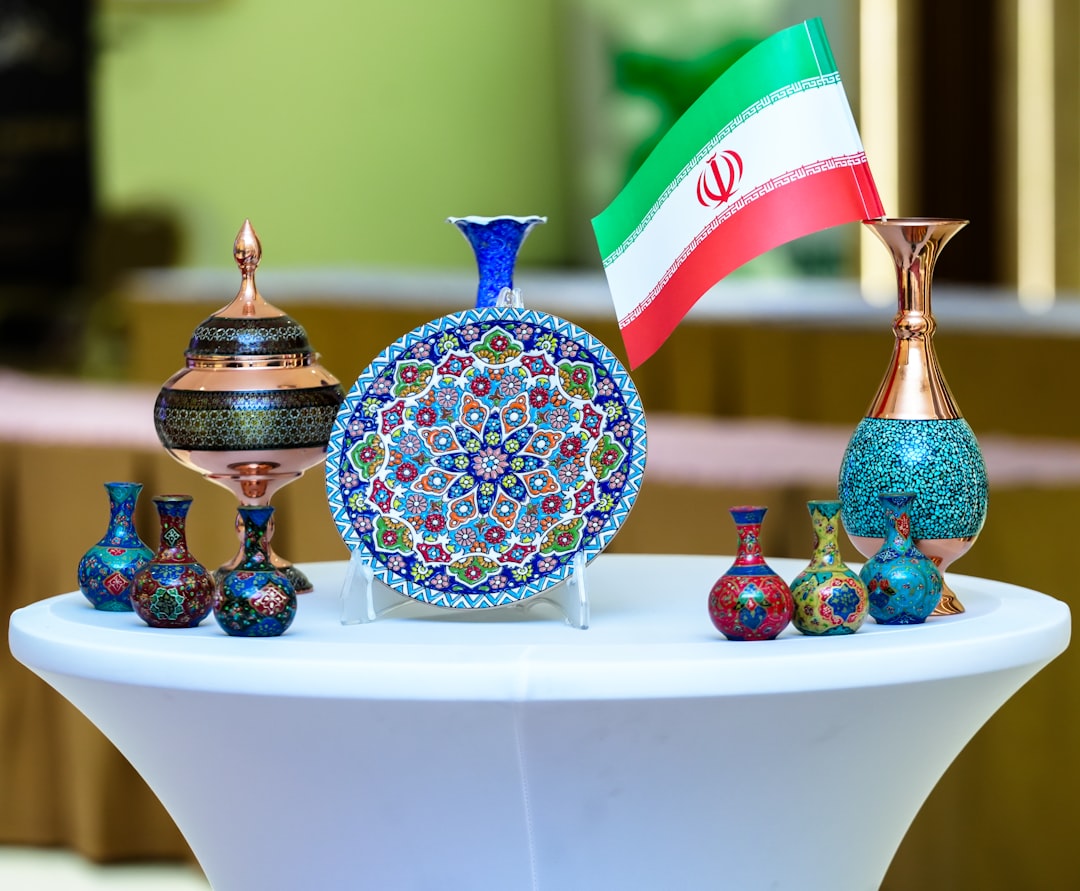
Israeli strikes hit Tehran as millions of Iranians celebrated Nowruz, the Persian New Year marking the first day of spring. Supreme Leader Mojtaba Khamenei praised the Iranian people’s “steadfastness” in a written statement read on state television.
The Israeli military struck over 130 regime facilities across Iran over the past 24 hours, targeting Tehran, Parchin, Kerman, Arak, and Bandar Lengeh. Targets included ballistic missile launchers, drones, and air defence systems.
Among the senior officials eliminated:
- Ali Mohammad Naeini, IRGC spokesperson
- General Afshin Nakshabandi, Armed Forces representative to the Basij
- Esmail Ahmadi, head of IRGC intelligence
- Mehdi Karishi, commander of IRGC Aerospace Forces in Isfahan
Trump between “winding down” and escalation
The US president declared that the United States is “very close to meeting its objectives” and is considering “winding down” military efforts in the Middle East. However, simultaneously, new contingents of Marines were deployed to the region, contradicting the conciliatory rhetoric.
To address soaring energy prices, Washington announced lifting sanctions on 140 million barrels of Iranian oil already loaded on ships. This sanctions pause, effective immediately, expires on April 19. The stated goal is to lower US gas prices, but some analysts view the move as an admission that the war’s economic cost is unsustainable.
Netanyahu: “Iran can no longer produce missiles”
Israeli Prime Minister Benjamin Netanyahu declared that after three weeks of war, Iran “no longer has the capacity to enrich uranium” or “produce ballistic missiles.” If these claims reflect military reality, they represent a major strategic success for the US-Israeli coalition — the stated primary objective being the neutralization of Iran’s nuclear and ballistic programmes.
Iran threatens tourist sites worldwide
General Abolfazl Shekarchi, Iran’s military spokesperson, warned that “parks, recreational areas, and tourist destinations” worldwide “will not be safe” for the country’s enemies. This vague but alarming threat has been interpreted as an allusion to potential terrorist attacks abroad.
Yemen’s Houthis added to regional instability: a senior politburo member, Mohammed al-Bukhaiti, declared the group was considering a naval blockade specifically targeting vessels belonging to “aggressor countries” involved in military operations against Iran, Iraq, Lebanon, and Palestine.
Regional toll
The UAE intercepted seven ballistic missiles and fifteen drones during the day, bringing the total since the war began to 334 ballistic missiles, 15 cruise missiles, and 1,714 drones. Emirati security services exposed terror cells linked to Hezbollah and Iran, with similar networks uncovered in Kuwait and Bahrain.
In Lebanon, Prime Minister Nawaf Salam called for ending the war while demanding the restoration of state authority over military decisions. France doubled its humanitarian aid to Lebanon to 17 million euros, but its mediation for a holiday truce failed.
Key takeaways
Day 21 crystallizes the contradictions of this conflict: Trump talks of “winding down” while deploying troops, lifts sanctions to calm prices while continuing the war that drives them up. Netanyahu’s claims about the destruction of Iran’s ballistic and nuclear capabilities, if confirmed, could provide Washington an “off-ramp” to justify ending operations. But Iranian threats against tourist sites and the Houthi naval blockade threat signal a war that may change form rather than cease. For Quebec, the temporary lifting of sanctions on Iranian oil could offer a reprieve on energy prices, but market volatility remains extreme.