This article was generated by artificial intelligence and reviewed by Le Pivot's editorial team. We believe in transparency.
Day 16: Isfahan struck, Strait of Hormuz at the heart of the storm
By Le Pivot — Iran Monitor · March 14, 2026 · 10 min read
Day sixteen of the armed conflict pitting the United States and Israel against Iran. The war, triggered on February 28 following the assassination of Ayatollah Ali Khamenei, is entering an intensification phase on all fronts: massive strikes on Iranian territory, Tehran’s retaliation against US bases in the Gulf, the Strait of Hormuz blockade, and shockwaves rippling through global energy markets.
Isfahan and Shiraz under fire
The Israeli Air Force struck over 200 targets in western and central Iran over the past 24 hours, hitting command centres, air defence systems, and weapons production sites. In Isfahan, a strike on an industrial facility killed at least 15 people. Residential areas in Shiraz were also targeted (Al Jazeera).
Since the conflict began, the US Secretary of Defence claims more than 15,000 “enemy targets” have been destroyed. The death toll in Iran has surpassed 1,400, with over 10,000 homes damaged or destroyed. Brigadier-General Abdullah Jalali Nasab is among the confirmed Iranian casualties.
Iran’s retaliation spreads across the Gulf
The Islamic Revolutionary Guard Corps launched what it describes as its “50th wave” of operations against US bases in the UAE, Bahrain, Kuwait, and Saudi Arabia. Attacks are escalating across the region:
- Saudi Arabia: 4 drones intercepted, at least 2 killed and 12 injured
- UAE: 10 missiles and drones launched at al-Dhafra airbase
- Kuwait: 2 missiles hit an airbase perimeter, wounding 3 soldiers
- Qatar: all 4 ballistic missiles and drones intercepted
- Bahrain: sirens activated; 6 people arrested for “spreading misinformation”
Missile barrages also targeted Israel, where 108 injuries were reported in 24 hours. The Israeli military faces a critical problem: its ballistic missile interceptor stocks are running dangerously low.
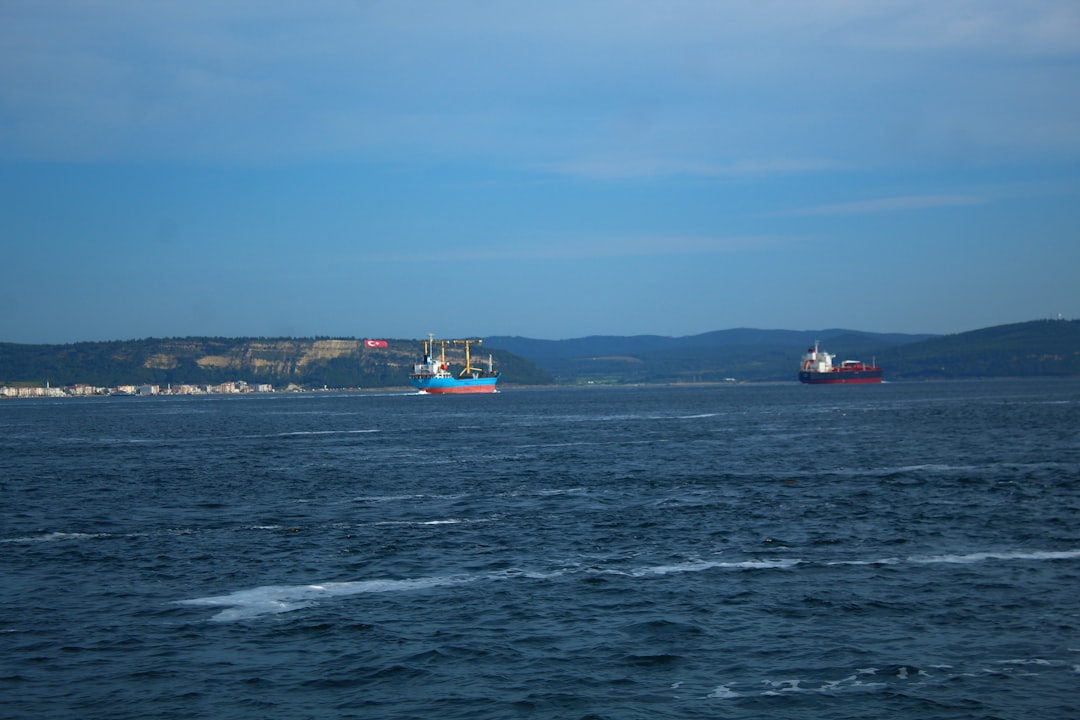
The Strait of Hormuz: nerve centre of economic warfare
Iran’s new Supreme Leader, Mojtaba Khamenei, reiterated in his first televised address his intention to keep the Strait of Hormuz closed — the waterway through which roughly 20% of the world’s oil transits. The IRGC Navy claims to “control” the strait without officially declaring it closed.
The market impact has been immediate. Brent crude surged to $105.66 per barrel (+2.4%), while US crude hit $100.64. The International Energy Agency estimates the war will remove approximately 8 million barrels per day from global supply in March — the largest supply disruption in modern history. US gasoline prices have already risen 17% since the conflict began (NBC News, Axios).
Donald Trump called for an international naval coalition to secure passage through the strait, while claiming that Iran “wants to make a deal.”
Lebanon drawn into the conflict
The Lebanese front has reignited. Hezbollah engaged Israeli forces in southern Lebanon, where at least 5 people were killed in the past 24 hours. Since February 28, the death toll in Lebanon has reached 826, including 14 health workers killed in a single day.
Digital blackout and public opinion
The internet shutdown imposed by Iranian authorities has lasted 15 days and is worsening: the trickle of remaining connectivity dropped abruptly. Meanwhile, 20 people were arrested in northwestern Iran, accused of providing location data to Israel.
In the United States, public opinion is growing increasingly opposed: 53% of American voters oppose the strikes, and 75% reject any ground troop deployment. The Trump administration has threatened to revoke the licences of media outlets critical of its war coverage.
Key takeaways
The conflict is entering its third week with no prospect of de-escalation. Nuclear negotiations, which had briefly resumed in February in Geneva, are now dead in the water. Iranian Foreign Minister Abbas Araghchi states that Tehran “never sought a ceasefire” and is preparing for a “long war.” For Canada and Quebec, the most direct impact is felt at the pump and on energy markets: as long as the Strait of Hormuz remains disrupted, oil and LNG prices will continue to surge, with repercussions on inflation and transportation costs worldwide.